Throughout June 2025, the Rosa Luxemburg Stiftung – Beirut Office, in collaboration with the Kurdistan Institute, organized a series of screenings of the film, Lay Your Tired Hands on a Full Stomach across various regions in Iraqi Kurdistan.
The film was screened at multiple venues in Slemani, including Azadbonn Organization and the Kurdistan Institute. To reach audiences from other regions, the film was played at the Directorate of Agriculture in Kalar, in the Garmian region, and in Darbandikhan city at Lisa Cafe, and in the Kurdish capital Erbil at Mali Wafi Bookstore.
This film highlights the oral history and heritage of Kurdish farmers, while also shedding light on the use of pesticides and chemicals in agriculture.
June 2, 2025 – the Garmian Region
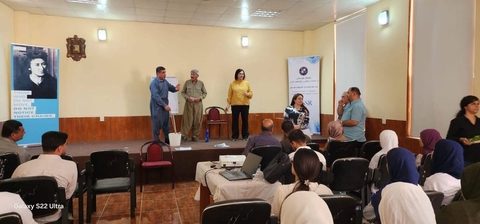
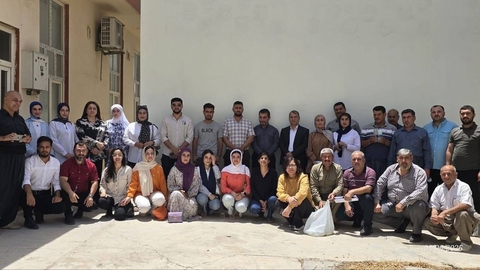
The screening took place at the Garmian Directorate of Agriculture in Kalar, following sustainable agriculture training session. Farmers in attendance stressed the urgent need to address Garmian’s extreme heat and water scarcity, and the need to return to sustainable farming practices. agricultural experts, academics and students requested further trainings in sustainable agriculture and help them raise awareness among the public and farmers in their towns and villages.
June 11, 2025 – Sulaymaniyah
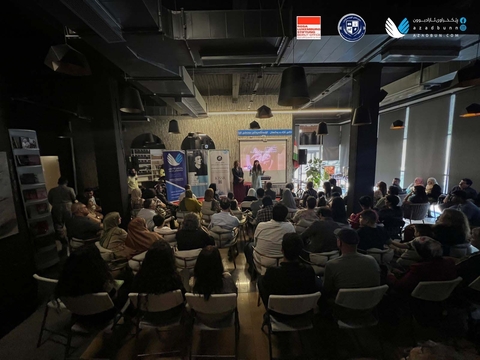
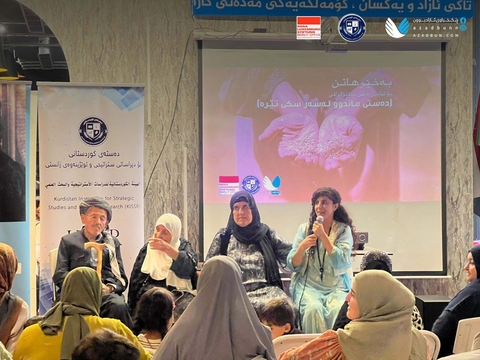
At Azadbonn Organization, the film screening attracted a diverse audience including activists, environmentalists, agricultural experts, cicil society organizations and artists and several media groups. During the post-screening discussion, participants emphasized the importance of the film and called for it to be shown in governmental institutions, the ministry of agriculture and across various regions of Kurdistan to amplify its impact.
June 19, 2025 – Sulaymaniyah
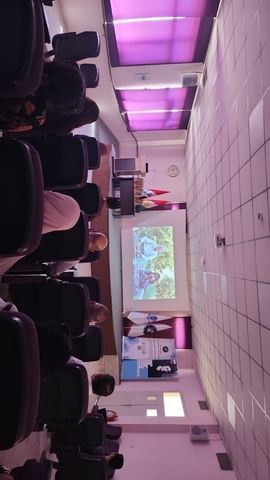
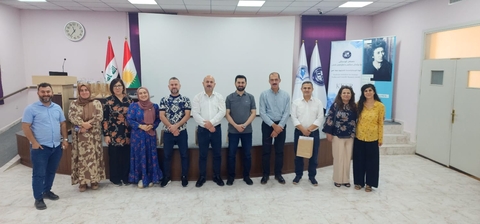
A certificate ceremony was held for the participants of the sustainable agriculture training hosted on April 28th at the Kurdistan Institute. The film was screened as part of the event. Discussions focused on the film’s role in supporting farmers and fostering collective efforts toward sustainable food systems. Participants recommended wider screenings, particularly in villages, universities, and institutions, to engage young people in clean food production.
June 22, 2025 – Darbandikhan at Lisa Cafe.
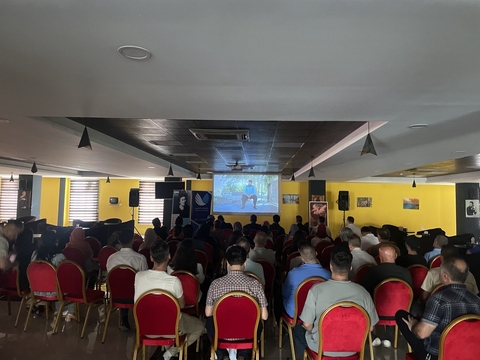
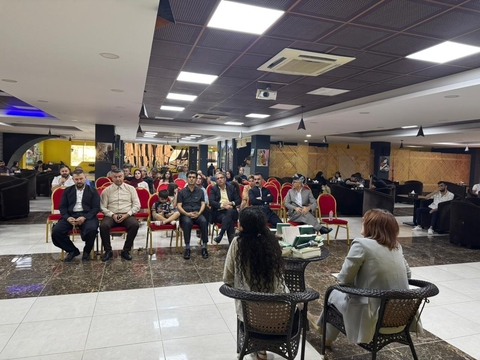
The screening in Darbandikhan brought together farmers, rural community members, the mayor, representatives from the Ministry of Agriculture, the city municipality, and other key institutions. Despite taking place during the Israeli attacks on Iran, the audience engaged deeply with the film, highlighting the importance of food sovereignty in times of war and climate crisis. Meaningful discussions followed on clean and sustainable agriculture. The mayor and the Directorate of Agriculture voiced their support for joint projects with RLS and the Kurdistan Institute to provide training for farmers and promote clean agricultural practices. They also recommended the film be shown in both private and public institutions in Darbandikhan in the coming month to spread awareness about our past traditions and prevention of toxic chemical in their region.
June 28, 2025 – Mali Wafai, Erbil
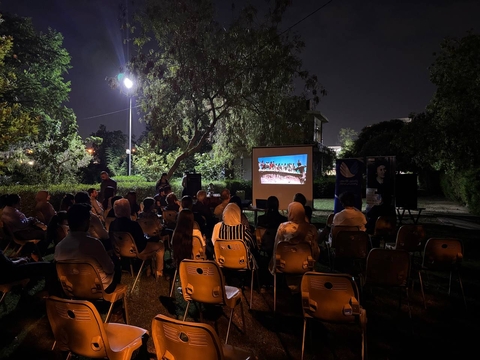
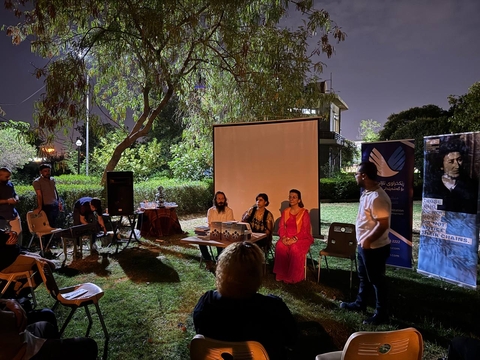
screening in June was held at Maly Wafai in Erbil, the capital of Kurdistan, in an open garden setting. The event was followed by a vibrant and in-depth discussion between the audience and the film’s team. Attendees came from various background including leftist thinkers, intellectuals, artists, civil society organizations, agricultural experts, youth, families and several media groups. Some drew connections between the use of chemical weapons in the region in the 1970s and 1980s by the Baathist Government, and the current widespread use of chemical pesticides. Others reflected on the film’s nostalgic resonance and the importance of preserving Kurdistan’s agricultural heritage. Inspired by the film, a few artists pledged to practice sustainable agriculture in their own lands. Attendees also proposed starting sustainable farming practices in the garden where the screening took place.
Agricultural experts expressed interest in producing organic compost and offered their support for related projects. Many emphasized the need for organizations to revisit and bring greater attention to critical agricultural issues. This series of screenings and the discussions that followed reaffirmed the deep impact of Lay Your Tired Hands on a Full Stomach and its potential to inspire change and collective action toward sustainable agriculture across Kurdistan.
July 29,Bazian
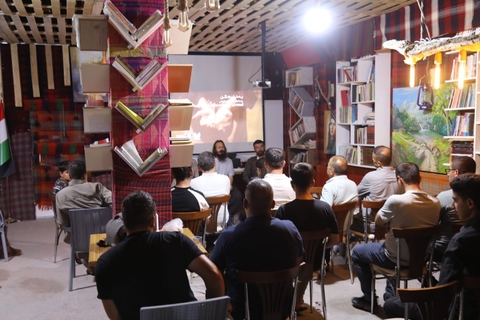
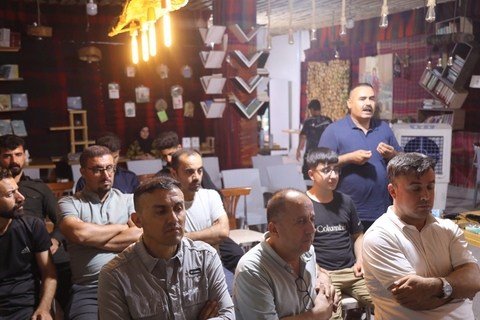
On July 29, 2025, the Film “Lay Your Tired Hands on a Full Stomach” was screened at the Bazian Cultural Center, followed by a discussion in Bazian district — the center of greenhouse farming and heavy pesticide use.
The film explores the oral history and cultural heritage of farmers in the Kurdistan Region of Iraq.
Attendees included the head of the Bazian Agricultural Directorate, farmers from Bazian and Dargazeni Baba Ali village, as well as agricultural experts, activists, journalists, and youth from Bazian and surrounding areas.
During the discussion, farmers admitted that the weak border control and poor monitoring resulted in flooding the local markets with harmful imported pesticides and fertilizers, which are used without censors.
Agricultural engineers supported these claims. Both groups held international organizations, such as the FAO, responsible for the current state of agriculture in the region, citing the introduction of greenhouse farming, imported seeds, and chemical use through these organizations’ training programs.
Participants agreed that the industrial model of agriculture now widespread in Bazian and nearby areas has poisoned the soil, contaminated drinking and irrigation water, and contributed to serious health issues among locals including alarmingly high cancer rates.